Frequently asked questions
Why is Chicago considered the birthplace of the modern skyscraper?
Because between 1880 and 1920 a group of architects and engineers — the so-called Chicago School, with names like Louis Sullivan and Dankmar Adler — were the first to solve the technical problems that made the tall building possible: the steel frame replacing the load-bearing wall, the safe elevator, foundations on unstable ground. It wasn't a single invention but forty years of interlocking technical breakthroughs.
What are the main stops on an architectural itinerary in Chicago?
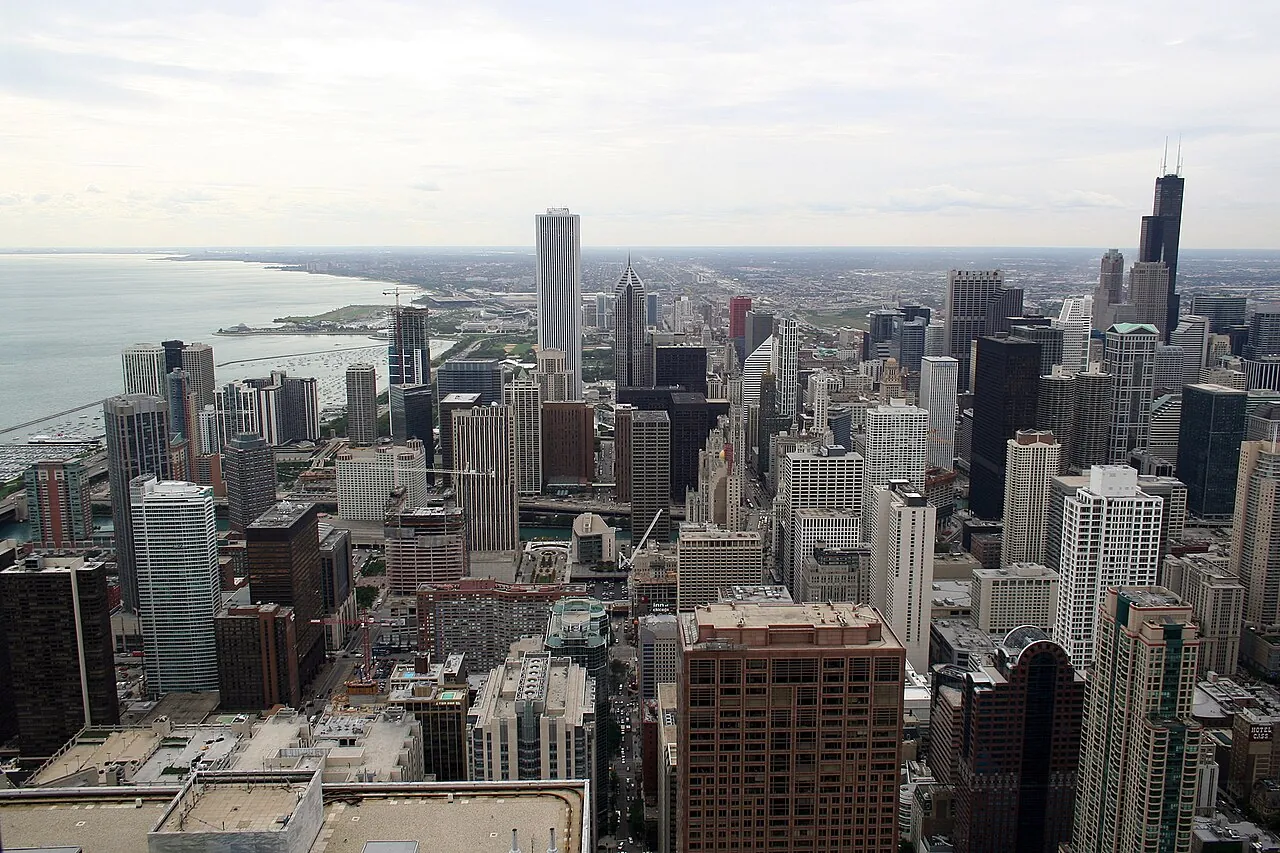
A classic route starts at the Rookery Building (209 S LaSalle St, a pioneering mixed structure), continues to the Auditorium Building by Adler and Sullivan, crosses Michigan Avenue and the Loop — the heart of the Chicago School — and ends at Millennium Park before closing with a view of the urban grid and the lake from the former John Hancock Center.
What did the Chicago School really invent, beyond building height?
The real contribution wasn't just height, but the construction system that made it possible: a steel frame carrying the building's weight instead of load-bearing walls, allowing lighter façades and larger windows (the famous "Chicago windows"). It's a change in structural logic, not just a height record.