The history of architecture is the story of how, in every period, concrete problems were solved — spanning a space, representing power, housing a community, letting light in — with the techniques and ideas available at the time. Here it is divided into seven sections, from Antiquity to the Middle Ages, from the Renaissance to the Baroque, up to Modernism and contemporary architecture, plus a cross-cutting section on theory and urban planning: the same structure used by Italian university courses.
Every article starts from a building, an architect or an idea and puts it back in its context. To find your way you can follow two routes: the guide to architectural styles, which tells the same story through languages — classical, Romanesque, Gothic, Baroque, Rationalism, Brutalism — and the list of famous architects, ordered by period.
The periods of architectural history
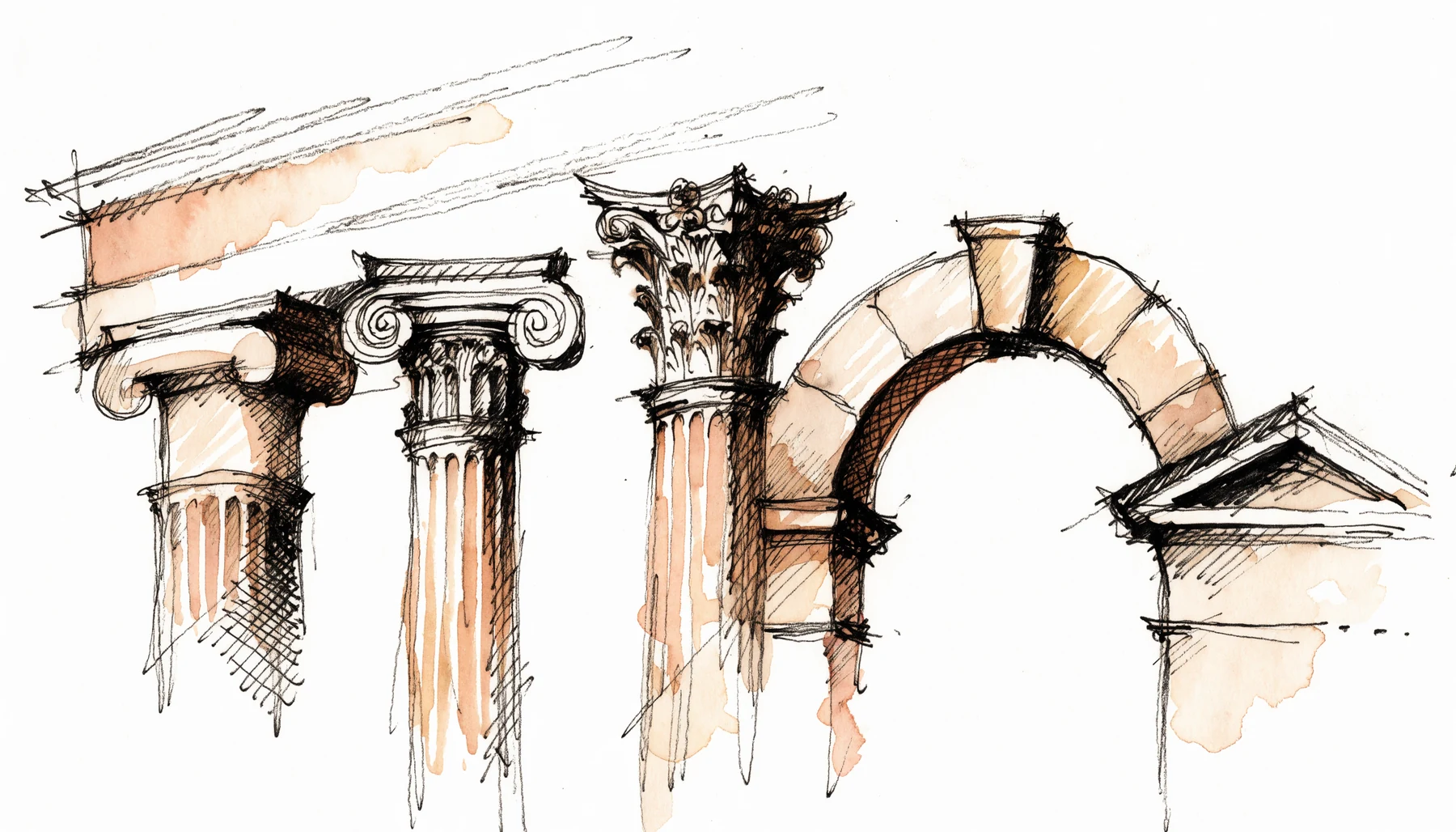
Classical Antiquity
Mesopotamia, Egypt, Greece, Rome. Architectural orders, arch, dome, concrete. The foundations of the built West.
Explore →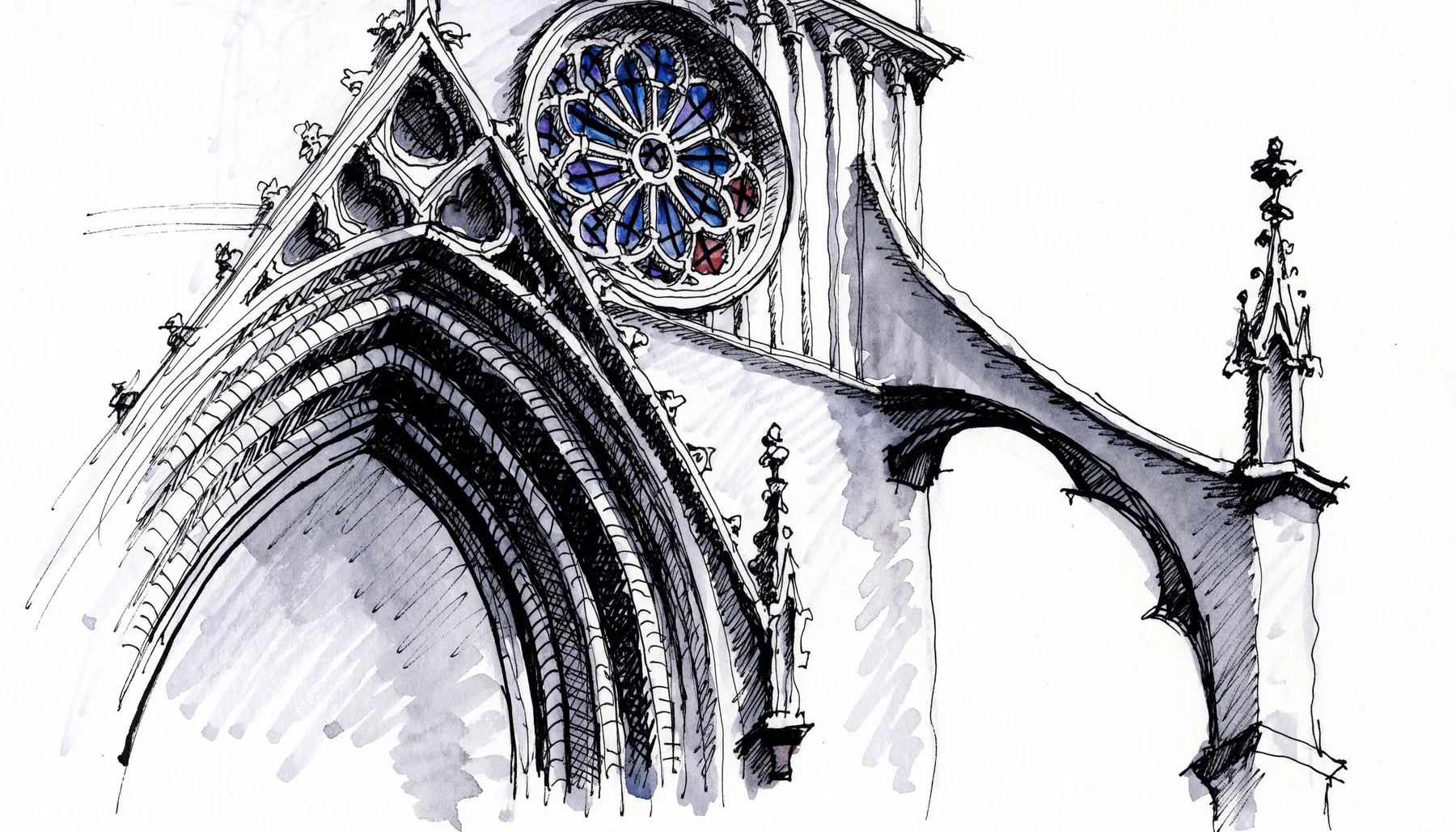
Middle Ages and Gothic
Romanesque and Gothic: two opposite ways of using stone. Cathedrals as machines for turning light into theology.
Explore →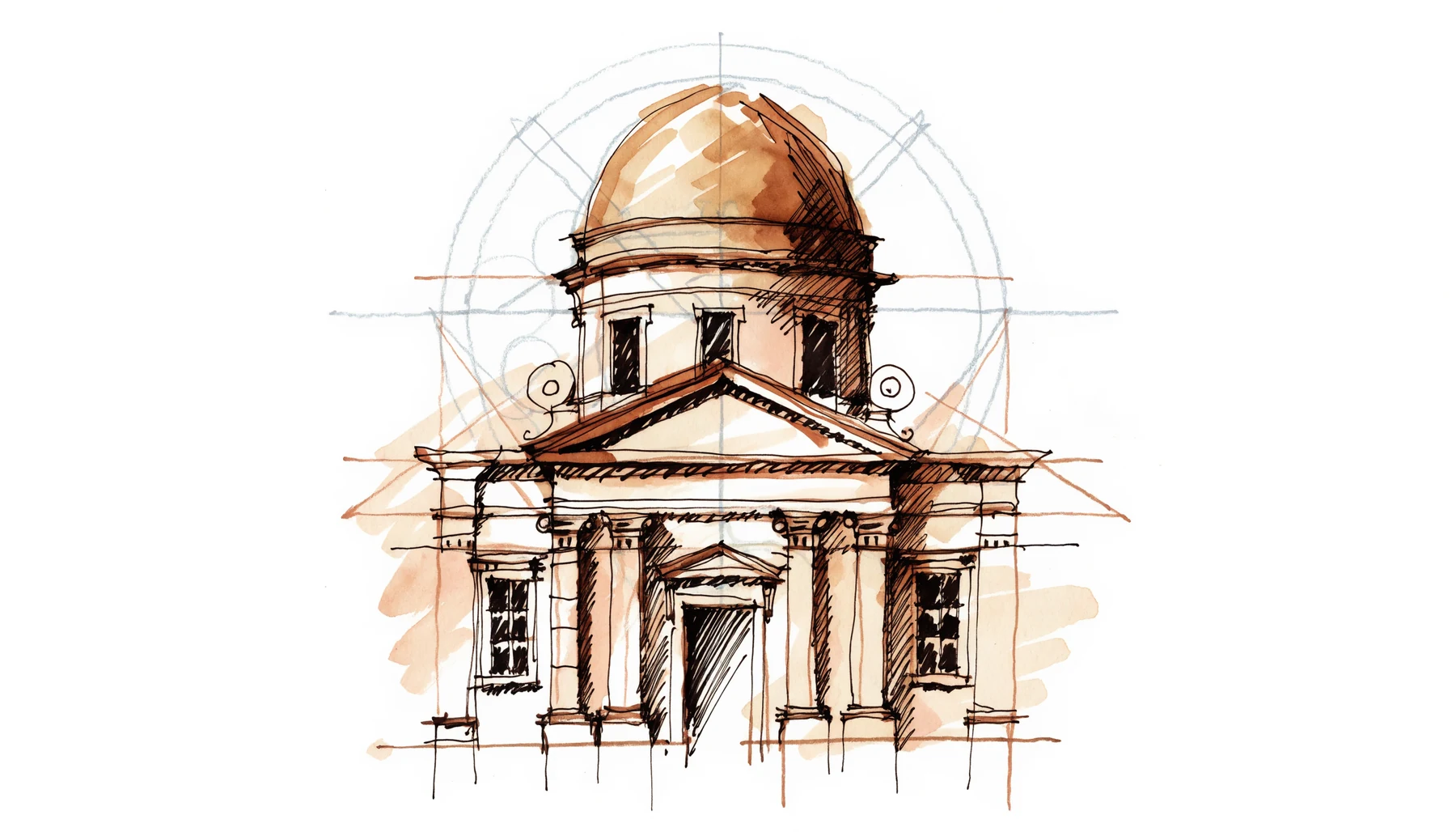
Renaissance
From Brunelleschi to Palladio: two centuries in which architecture becomes a science. Proportion as a universal language.
Explore →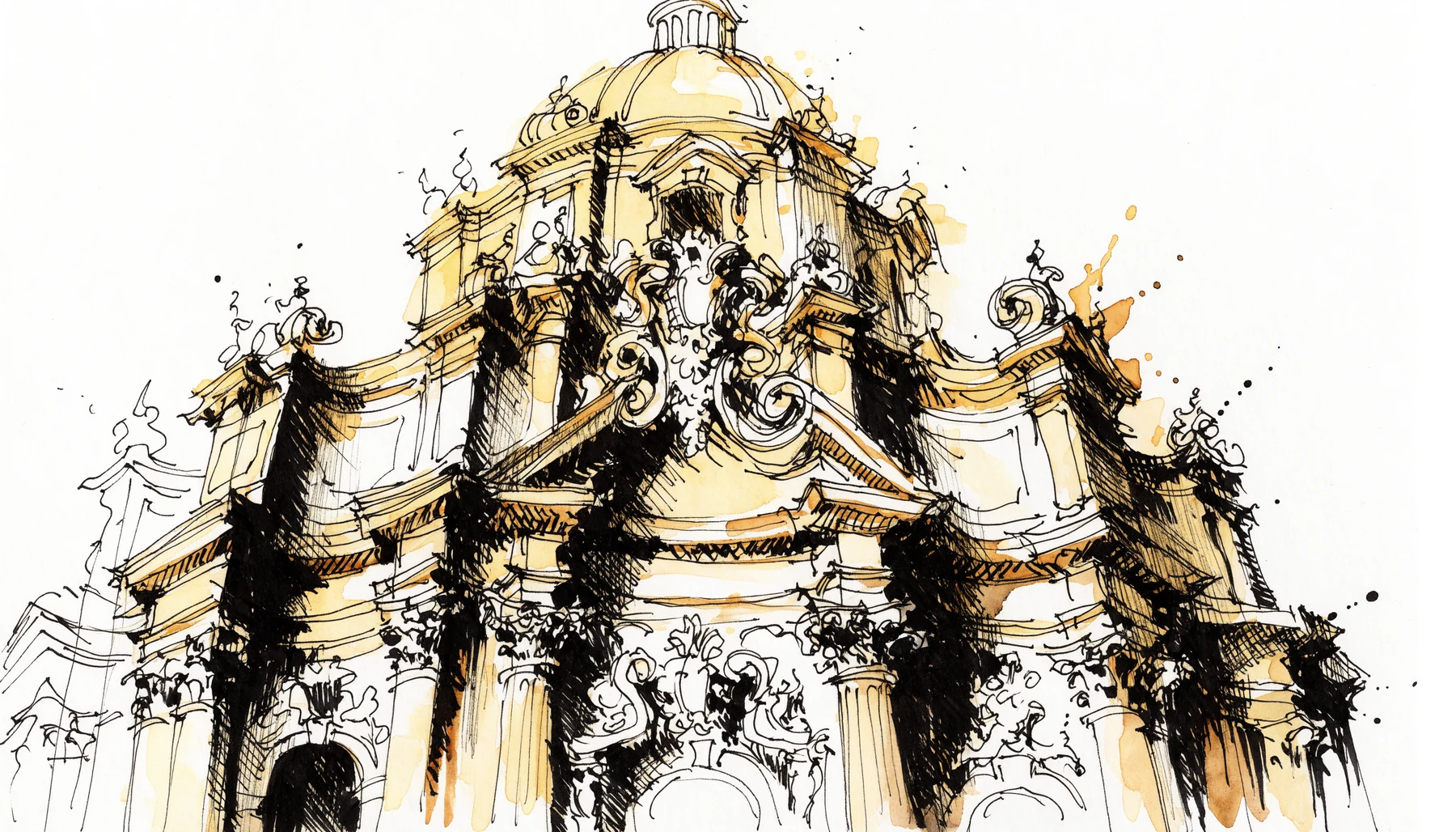
Baroque
Bernini versus Borromini: same Rome, two universes. Baroque space as political theatre and staging of faith.
Explore →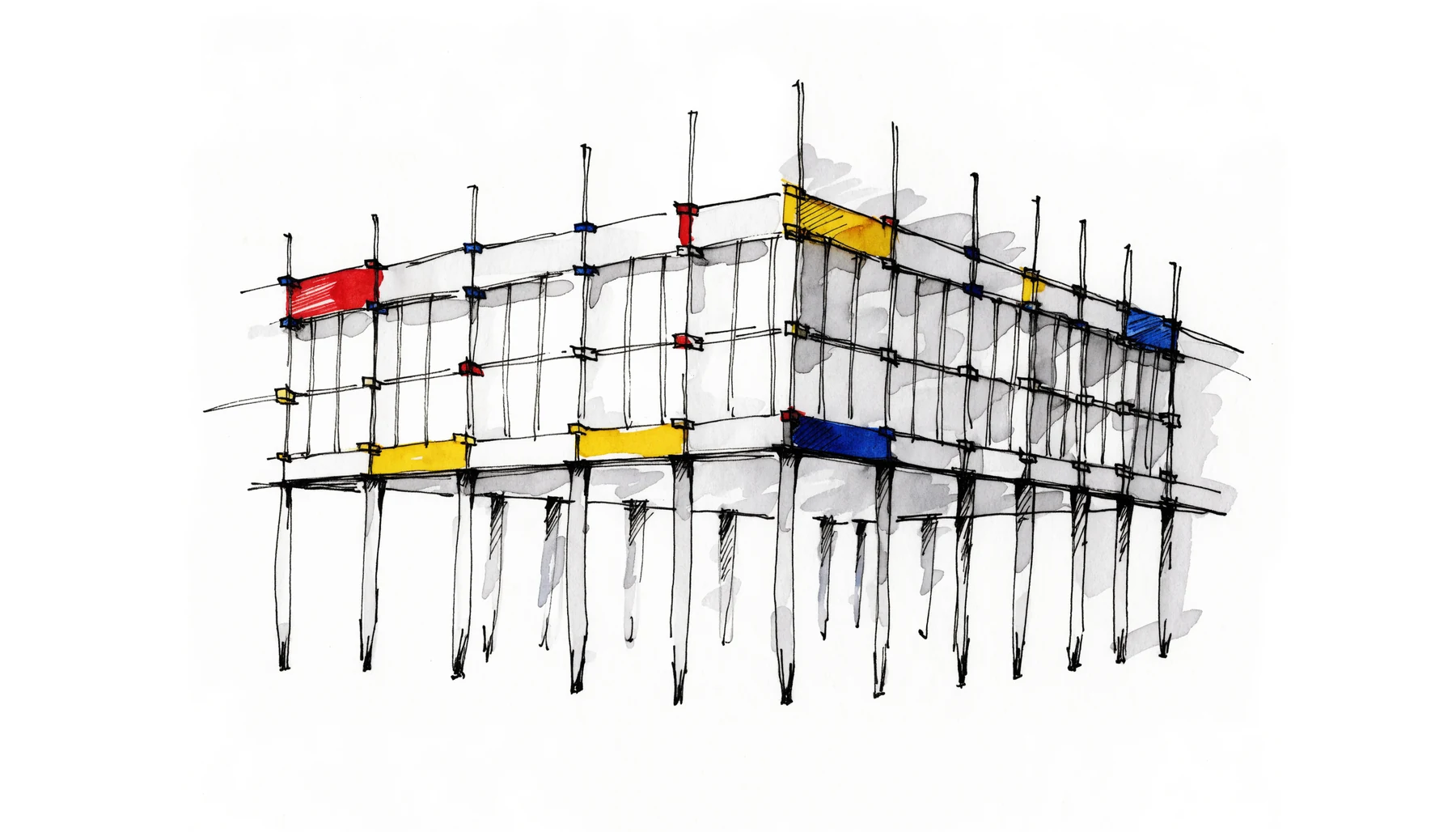
Modernism
From iron architecture to Le Corbusier, Mies, Wright, Aalto and Gropius: the century that redrew every rule.
Explore →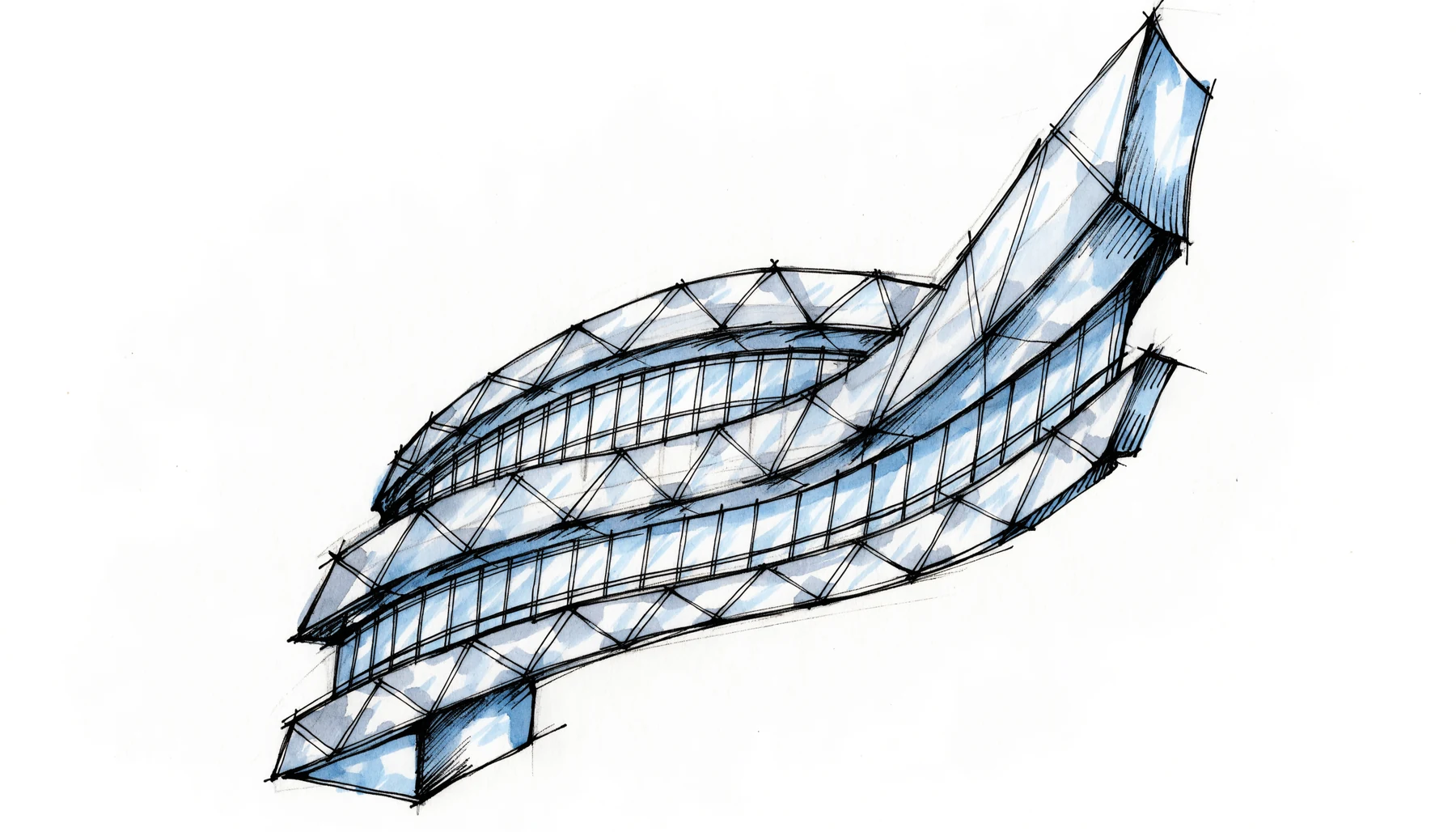
Contemporary
Piano, Zaha Hadid, Ando, Gehry, Koolhaas, Zumthor: the protagonists of today's architecture, with the Pritzker as a compass.
Explore →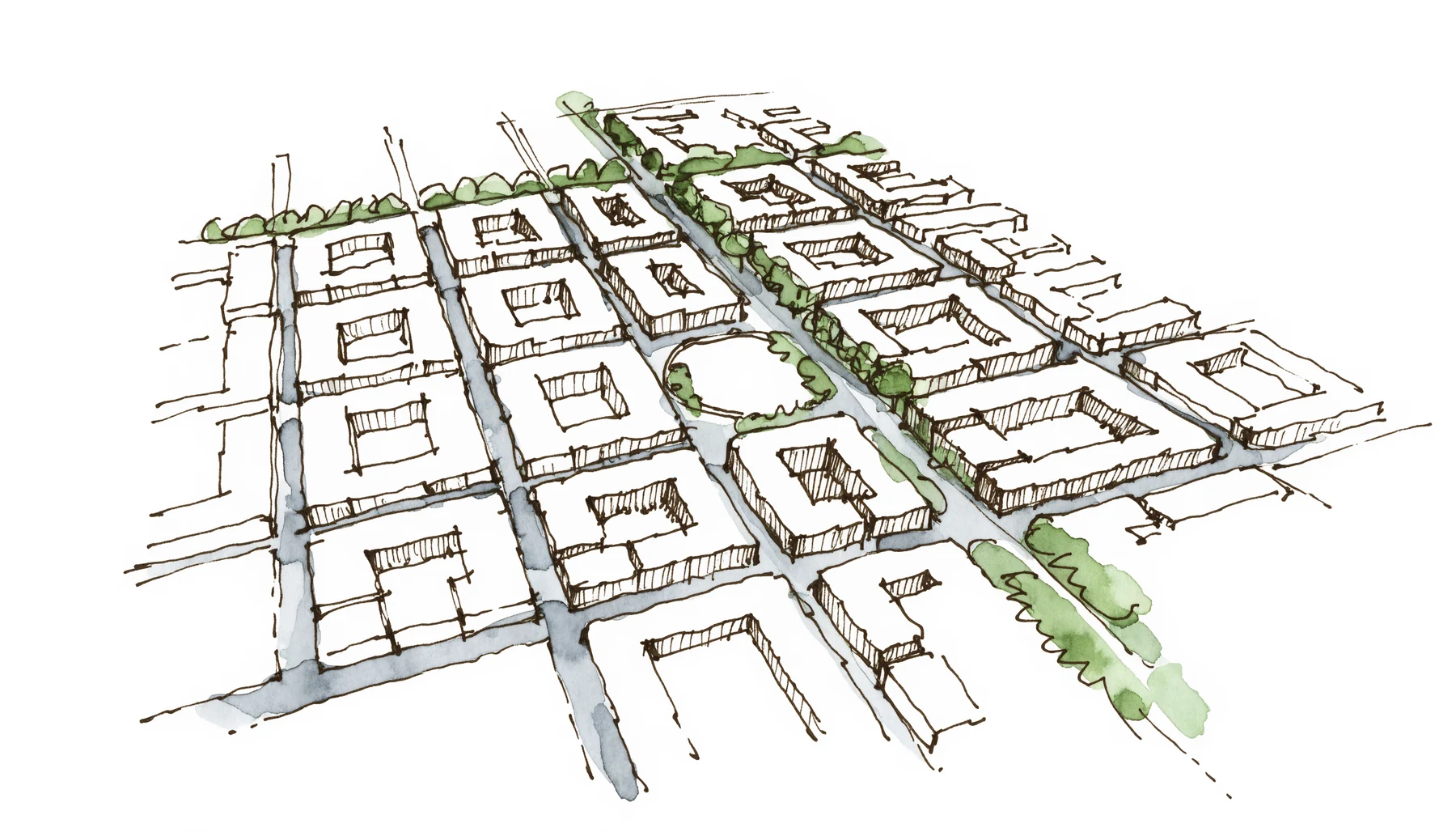
Theory and Urban Planning
From Vitruvius to Situationism: the thinking that built our cities. Ideas before bricks.
Explore →Frequently asked questions
What are the main periods of architectural history?
Classical Antiquity (Greece and Rome), the Middle Ages and Gothic, the Renaissance, the Baroque, Modernism and the Avant-gardes, Contemporary Architecture — plus a cross-cutting Theory and Urban Planning section that runs through every period. It's the same breakdown used in Italian university architectural history programmes.
What's the difference between Renaissance and Baroque architecture?
The Renaissance seeks balance, static proportion and geometric clarity drawn from the study of Roman buildings. The Baroque, a century later, uses the same classical vocabulary but puts it under tension: curves, dramatic contrasts of light, spaces that expand and compress to produce an emotional, theatrical effect rather than a contemplative balance.
Where should you start to study the history of architecture?
With the classical architectural orders (Doric, Ionic, Corinthian) and the great archetypes — the Greek temple, the Roman basilica, the Gothic cathedral — because they're the vocabulary every later period, right up to today, revisits, reinterprets, or explicitly rejects. Understanding these archetypes makes even contemporary buildings legible.
What sets a proper study of architectural history apart from just a list of famous buildings?
Context: every significant building answers a specific problem — political, economic, technological or religious — of the moment it was built. Knowing the Pantheon is a manifesto of Hadrian's power, not just “a temple with a nice dome”, is what turns a sightseeing visit into a real understanding of architecture.