For those who study architecture and those who design it: 205 articles, three sections, one continuous publication.
Architetturando is a magazine for people who study architecture, at university or out of passion. The history of architecture is told period by period, from Antiquity to the present, through the buildings and the architects who changed it: Brunelleschi and the dome of Florence, Bernini and Borromini, Le Corbusier, Tadao Ando. Every article starts from a concrete problem — political, technical, economic — and shows how architectural styles grew out of those answers rather than from a catalogue of forms. Alongside history, a section on building materials explains how stone, concrete, timber, steel and glass really behave, and a Travel section takes all of this into the city, building by building.
Seven sections, from Antiquity to the present, with the same structure as university courses in architectural history: 126 articles, each devoted to a building, an architect or an idea.
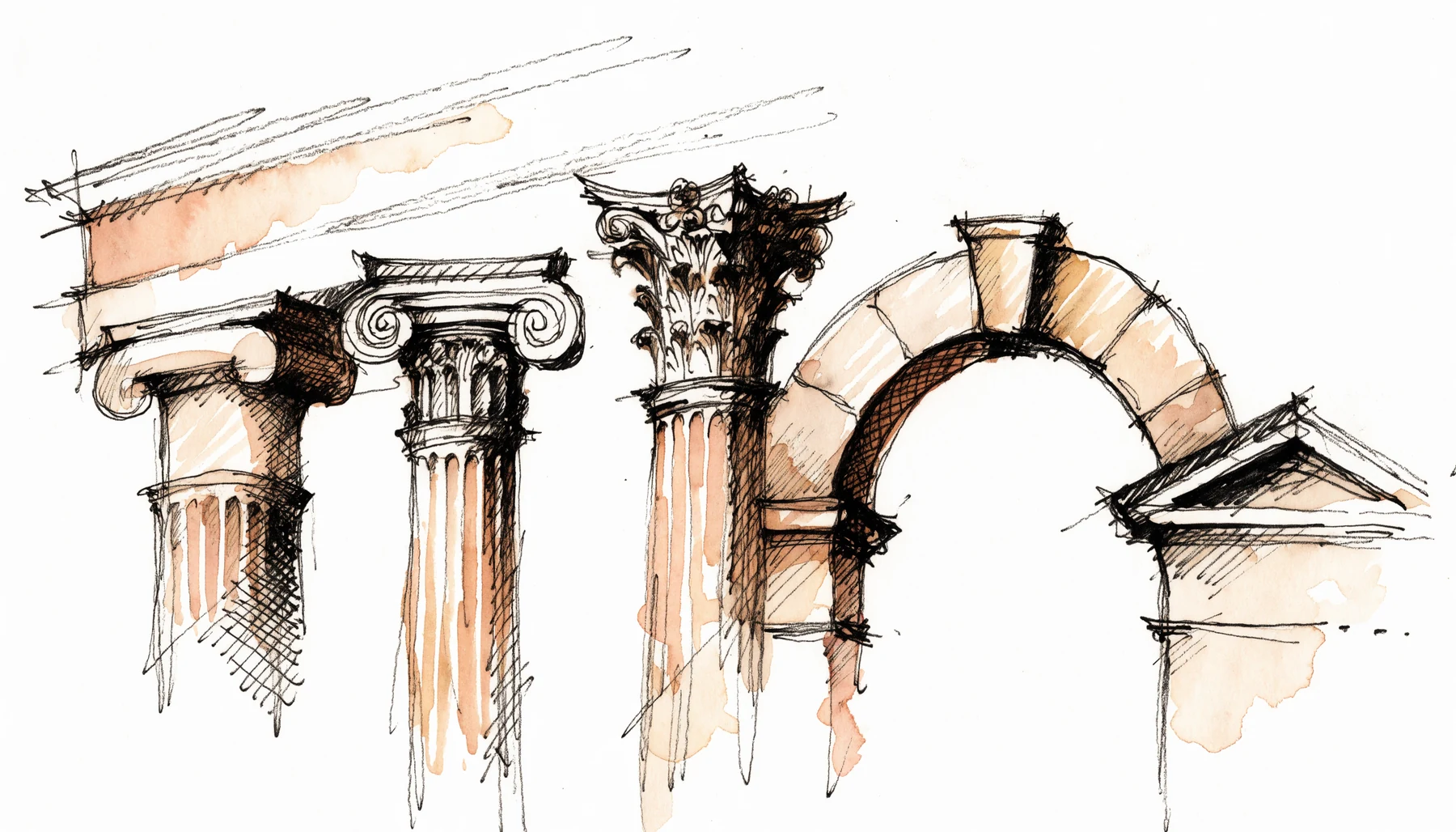
Mesopotamia, Egypt, Greece, Rome. Architectural orders, arch, dome, concrete. The foundations of the built West.
Explore →
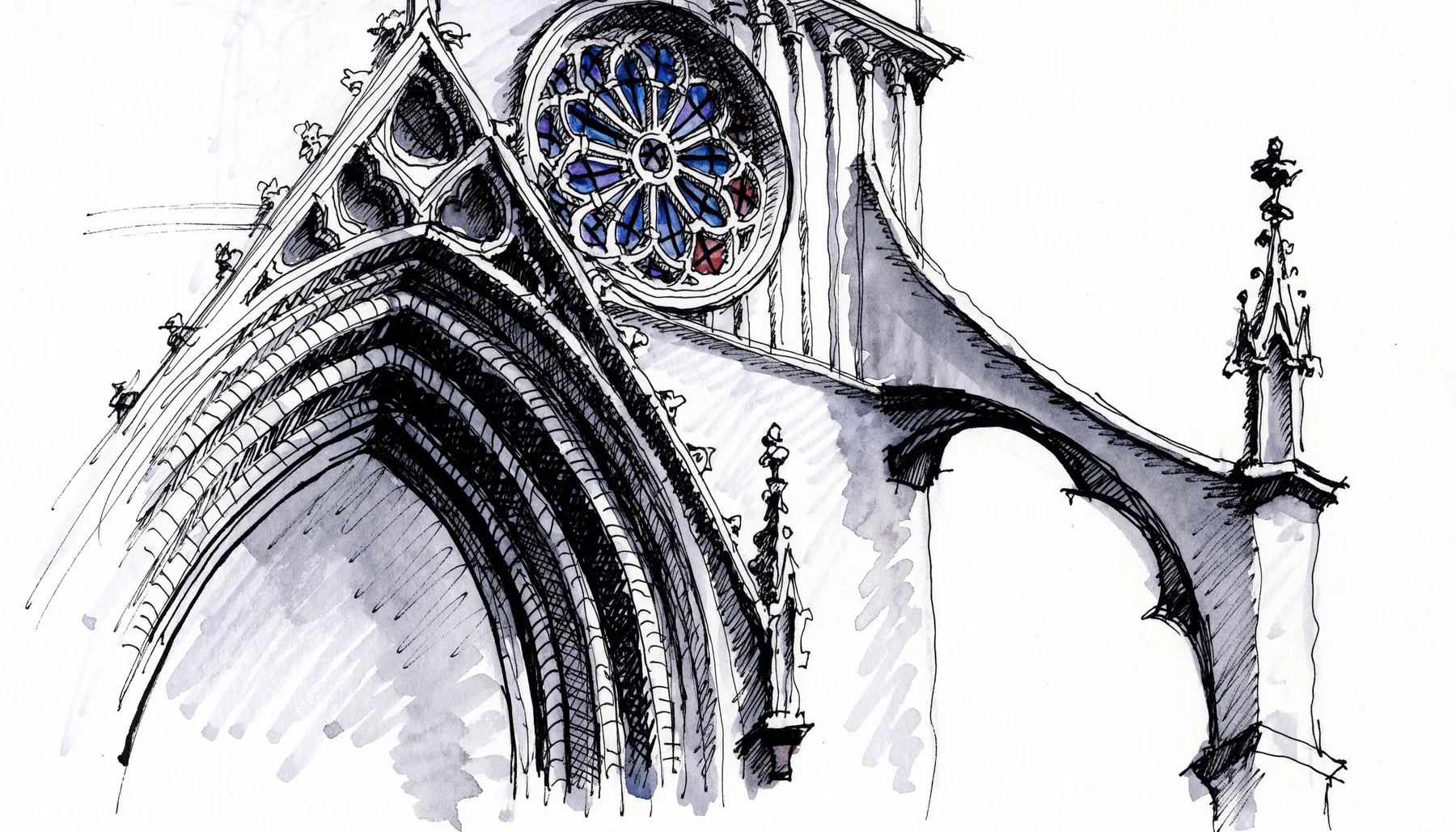
Romanesque and Gothic: two opposite ways of using stone. Cathedrals as machines for turning light into theology.
Explore →
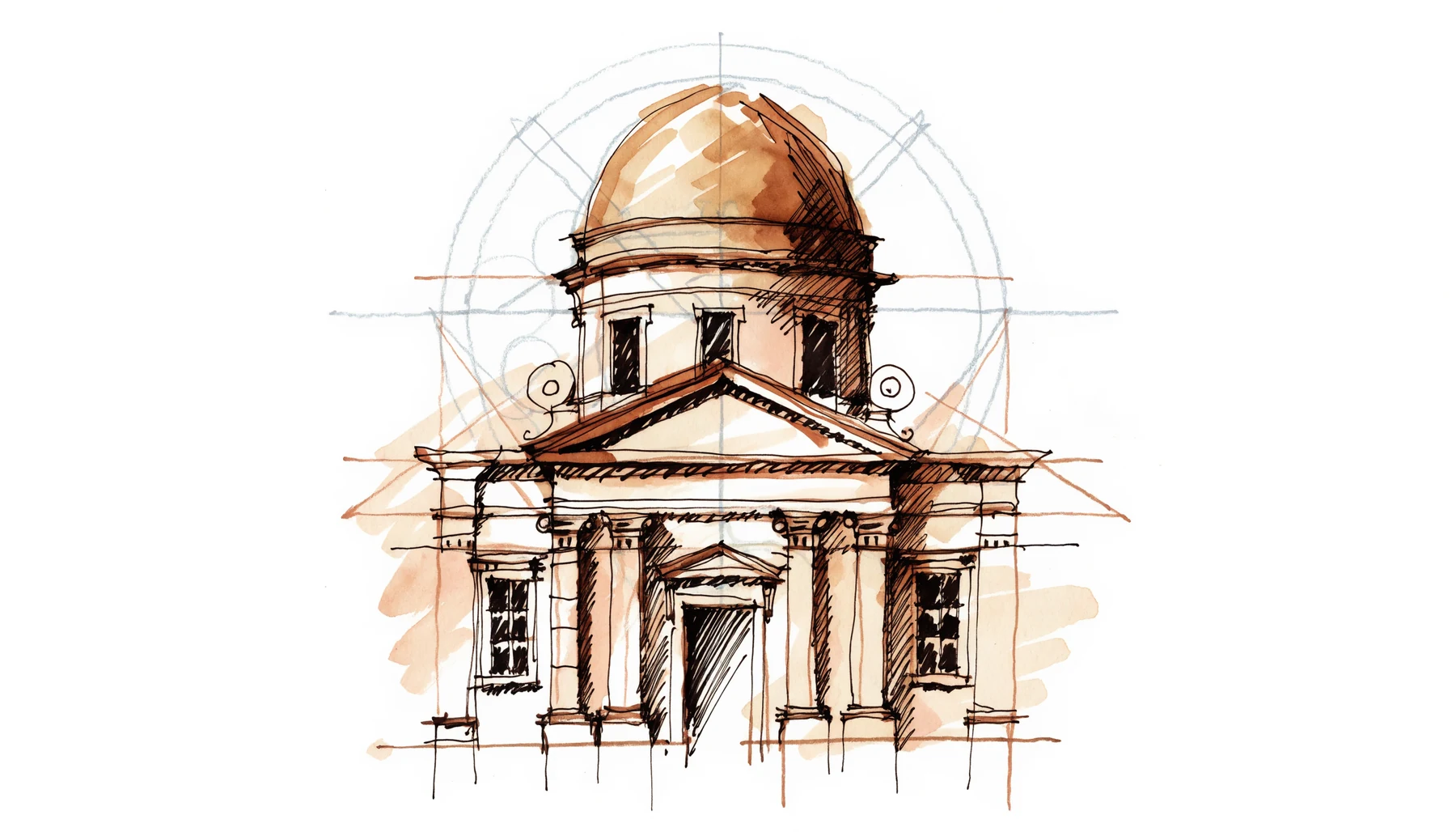
From Brunelleschi to Palladio: two centuries in which architecture becomes a science. Proportion as a universal language.
Explore →
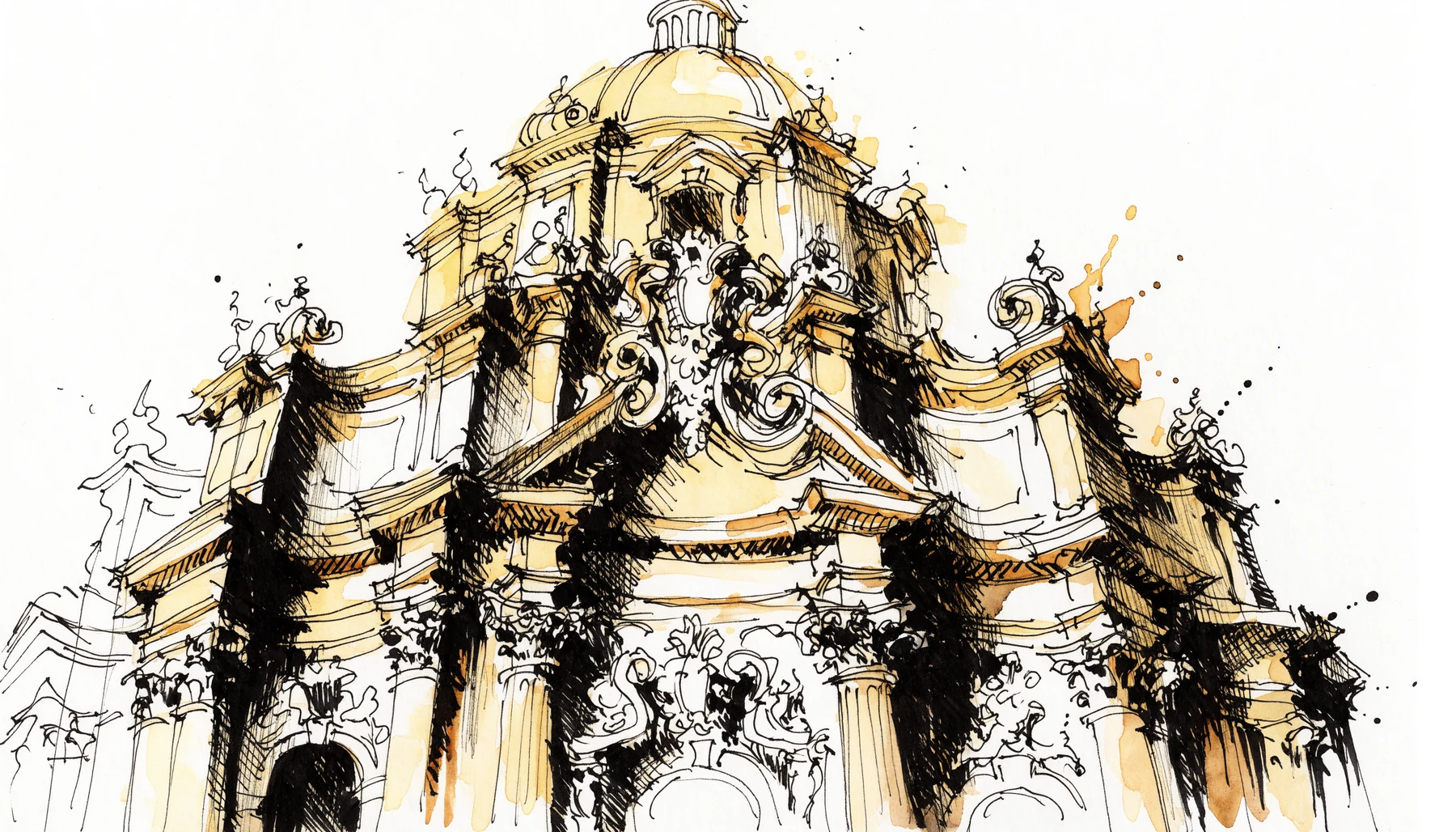
Bernini versus Borromini: same Rome, two universes. Baroque space as political theatre and staging of faith.
Explore →
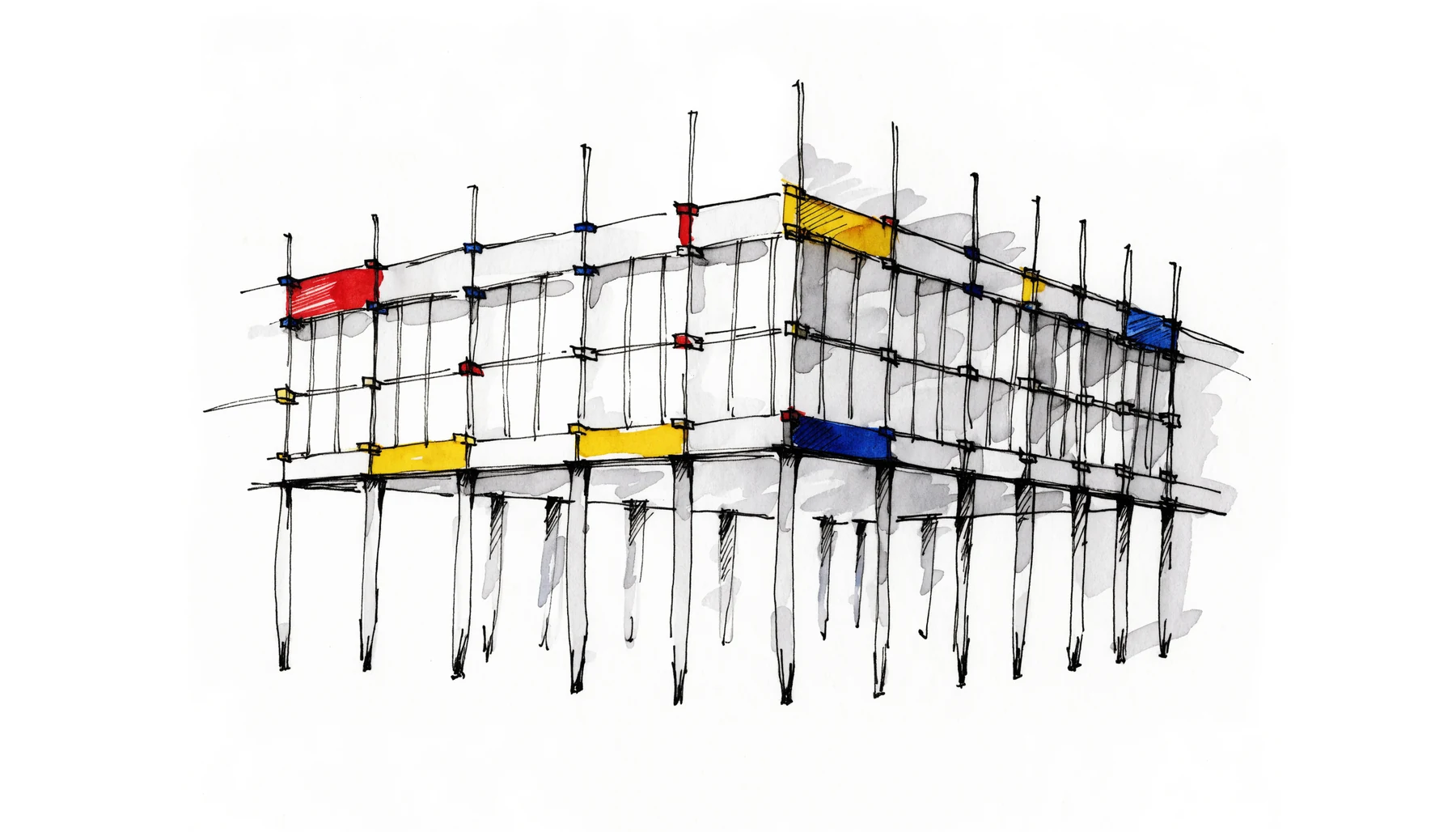
From iron architecture to Le Corbusier, Mies, Wright, Aalto and Gropius: the century that redrew every rule.
Explore →
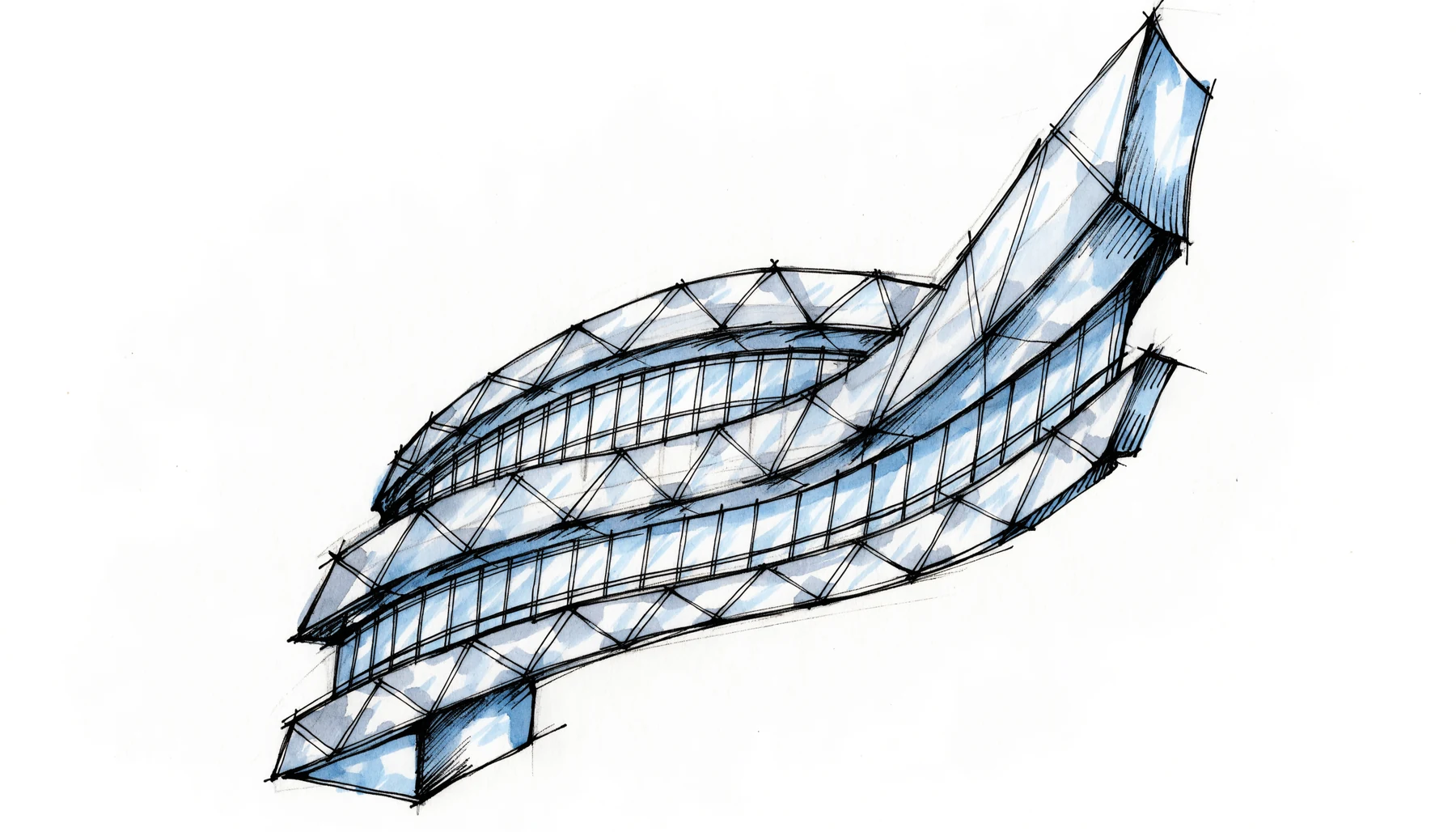
Piano, Zaha Hadid, Ando, Gehry, Koolhaas, Zumthor: the protagonists of today's architecture, with the Pritzker as a compass.
Explore →
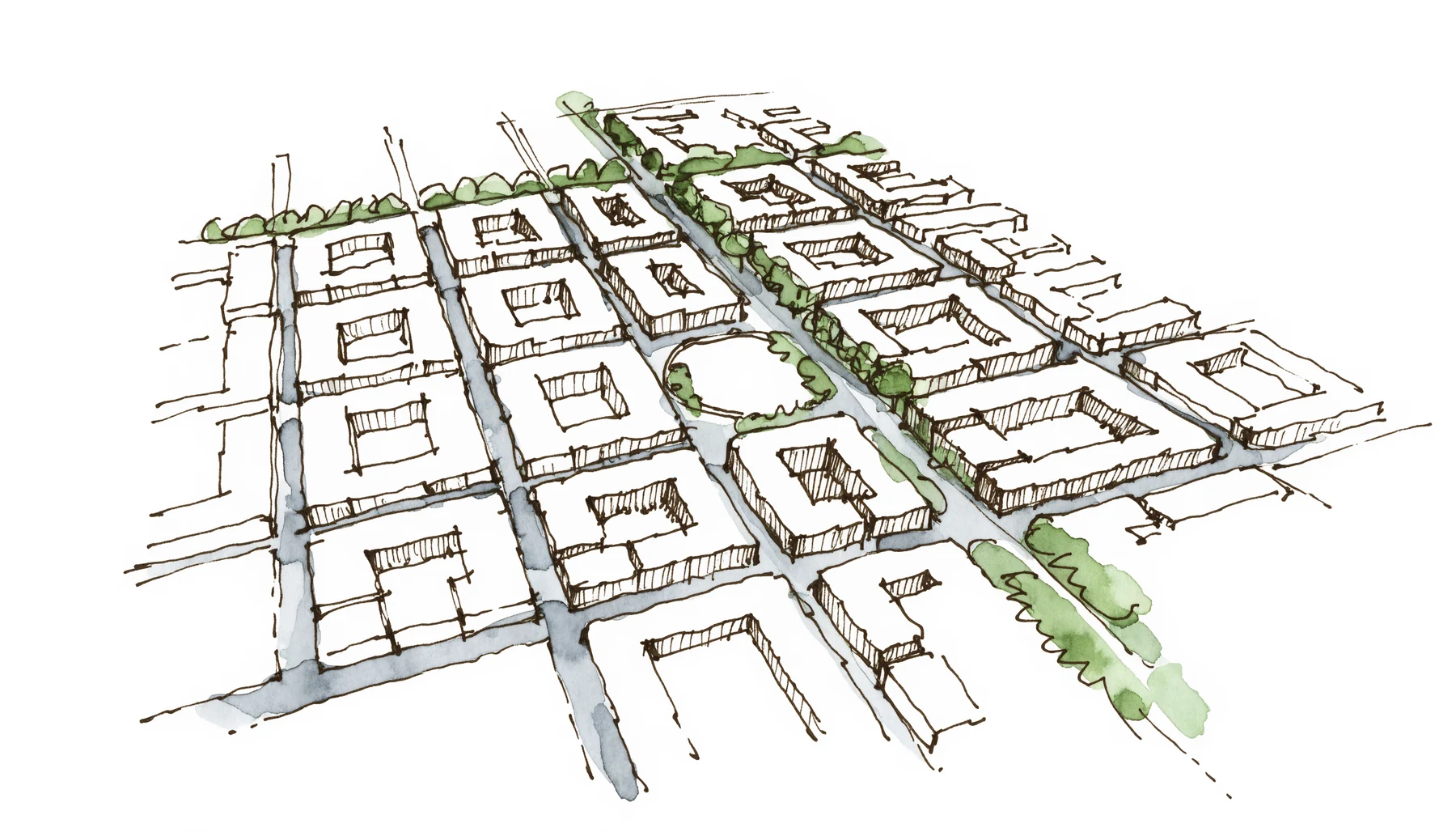
From Vitruvius to Situationism: the thinking that built our cities. Ideas before bricks.
Explore →From classical architecture to Deconstructivism: what sets each style apart, how to recognise it in front of a building, and which articles to read to go deeper.
From Brunelleschi to Zaha Hadid, the famous architects you meet in every architectural history exam — each with an article devoted to their buildings and ideas.
Eleven families of building materials, each with a guide to its variants and 69 in-depth articles on history, technique, pathologies and the circular economy — with links to the architects who turned them into a language.
10 city itineraries to read before you leave: which buildings to see, in what order, and what to look at once you get there. The interactive map (Italian interface) lets you build your own route.