The Brundtland Report (1987) — "Our Common Future", the UN Commission chaired by Gro Harlem Brundtland — defines sustainable development: "development that meets the needs of the present without compromising the ability of future generations to meet their own." A definition that is beautiful, ambitious, and almost useless in practice. In the years that followed, the term "sustainable" was applied to anything with a solar panel, a green roof, or a logo with leaves on it. The problem is that "sustainable" became a marketing adjective before it became a technical criterion.
The construction sector is responsible for roughly 40% of global energy consumption and 36% of CO₂ emissions in developed countries. This is not a marginal problem — it is the main one. For its first twenty years, architecture's response was essentially cosmetic: photovoltaic panels on the roof, better thermal insulation, rainwater harvesting systems. All good things — but insufficient. The problem isn't just energy in use: it's the energy embodied in construction ("embodied carbon") and the building's durability over time.
Three different approaches
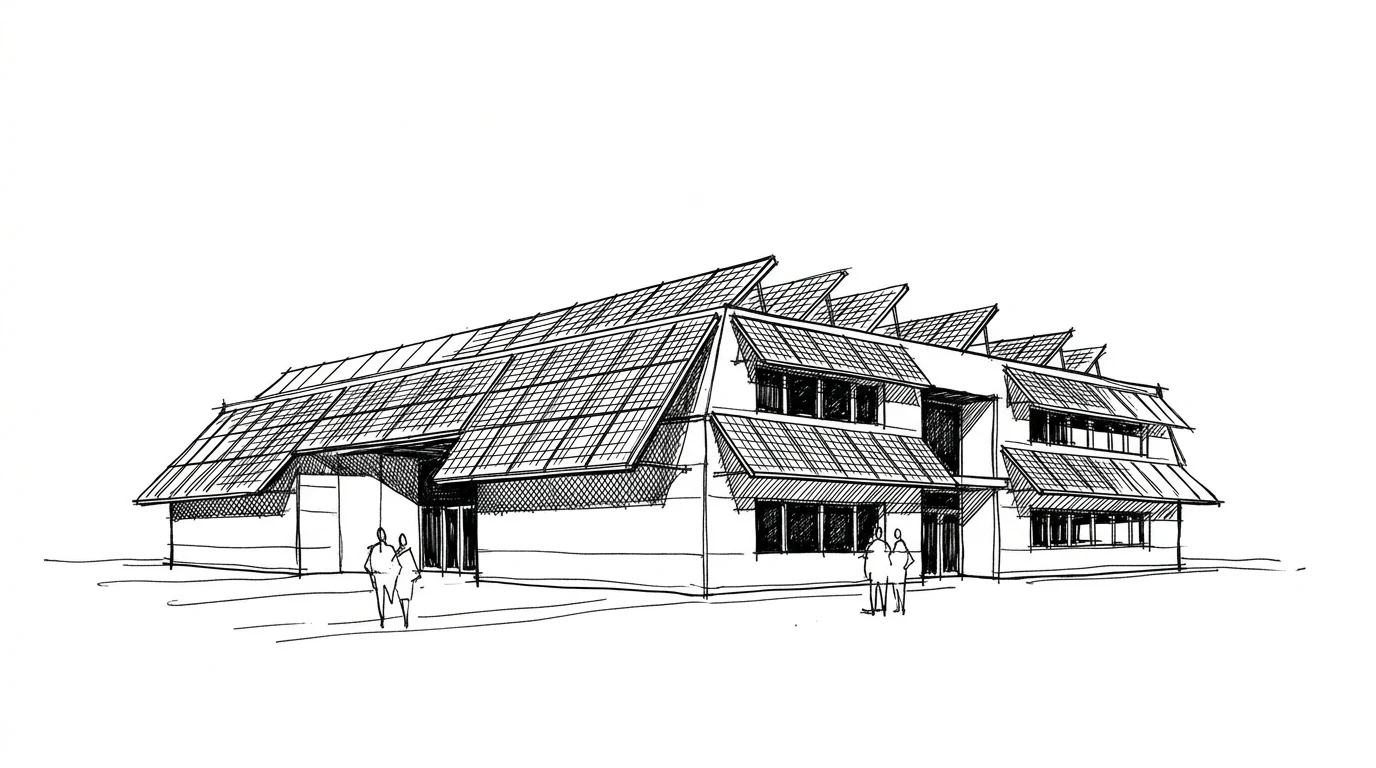
The first approach is active technology: photovoltaic panels, geothermal systems, heat recovery, controlled mechanical ventilation. The Powerhouse Kjørbo in Oslo (Snøhetta, 2014) is the most radical example: 2,000 m² of photovoltaic panels on a building that once consumed 200 kWh/m² a year now produces a surplus of 17. It isn't magic — it's calculation. But it requires high upfront investment and specialized maintenance. It isn't cheaply replicable everywhere.
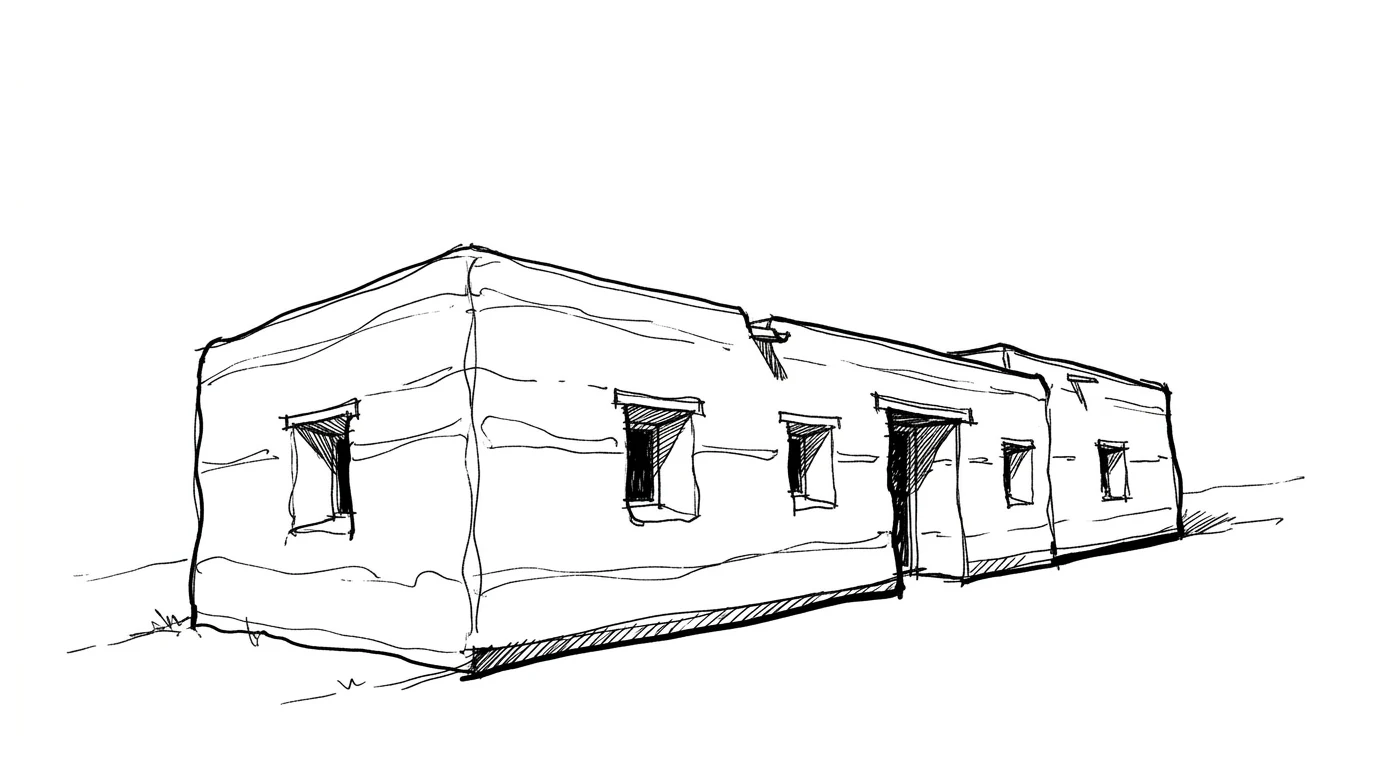
The second approach is passive technology: building orientation, thermal mass inertia in the walls, natural ventilation, natural lighting. Any rammed-earth house in the Maghreb is an example — buildings that regulate temperature without mechanical systems. This isn't nostalgia for the past: it's the recovery of pre-industrial building knowledge that modern technical culture abandoned because oil was cheap.
The third approach is reuse: don't demolish, refurbish. Demolishing a building and constructing a new one — even a highly efficient one — carries an enormous energy cost during construction (embodied carbon). Demolishing a 1960s building and replacing it with a passive one often takes 20–30 years before the energy savings in use offset the energy spent on demolition and reconstruction. Refurbishing the existing building, by contrast, starts saving immediately.
The "greenwashing" problem
The problem is simple: energy certification systems like LEED (American), BREEAM (British), or Italy's Classe A energy rating measure theoretical performance in use — not the energy embodied in construction, not full life-cycle emissions, not the durability of the technical systems installed. A building with 3,000 photovoltaic panels that required raw materials mined and refined with heavy environmental impacts and will be demolished in 30 years can earn LEED Platinum certification. A building in local stone that will last 500 years earns no certification at all because it has no visible "green" systems.
Which is exactly the opposite of what people believe. Sustainability isn't a matter of technology — it's a matter of life cycle. A sustainable building is one that lasts, that adapts, that gets refurbished instead of demolished. Architectural culture built buildings that last millennia (the Pantheon, medieval stone, Roman baths) for millennia — and then, in the last century, decided that buildings should last 30–50 years and then be replaced. This is the main problem of sustainability in architecture. Not solar panels — durability.