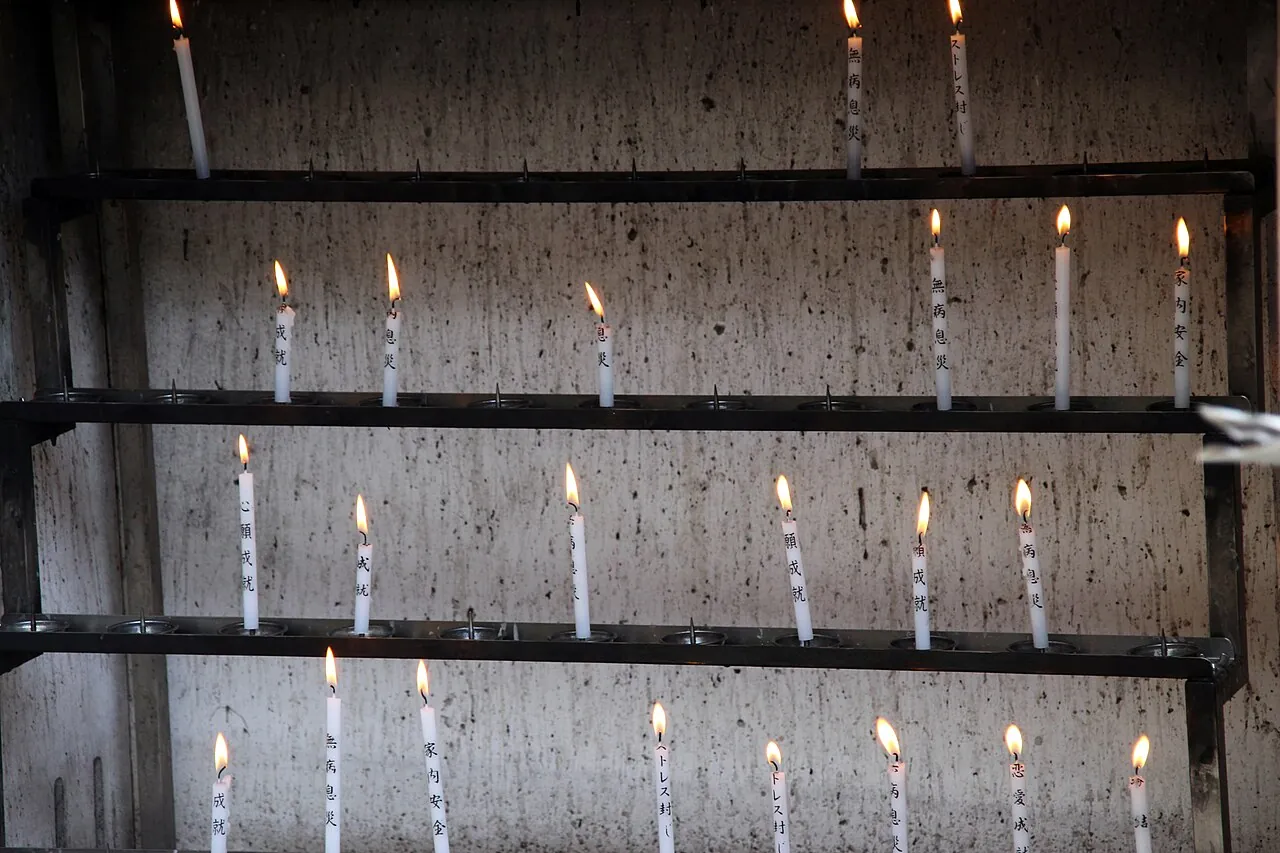
Kyoto — Il vuoto come progetto
Kyoto è l'antidoto a Tokyo. Ogni edificio tradizionale usa il vuoto come elemento compositivo primario — e Tadao Ando ha portato questo principio nel Novecento.
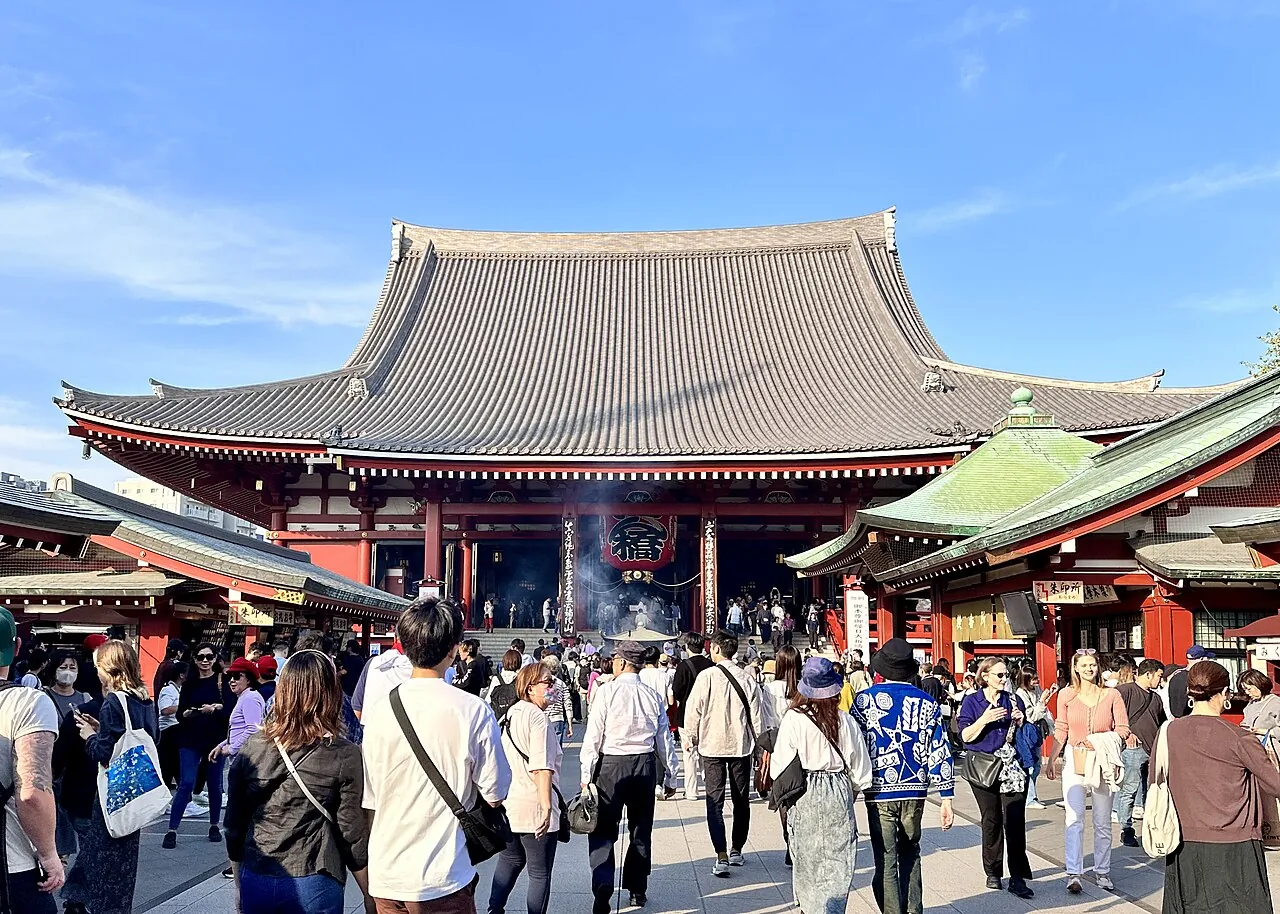
Tokyo — Dove la tradizione e il futuro si ignorano
Tokyo cambia ogni tre isolati. Non ha un centro stilistico, ha quartieri come universi paralleli. Come orientarsi in una città che contiene tutto senza sintetizzare nulla.
Frequently asked questions
What's the architectural difference between Kyoto and Tokyo?
Kyoto is the antidote to Tokyo: traditional Japanese architecture uses emptiness (ma, the interval) as a primary compositional element, not leftover space. Tokyo, by contrast, changes register every few blocks — it has no single stylistic center but neighborhoods that work as parallel universes, with no attempt at visual synthesis.
How do you find your way around Tokyo architecturally on a first visit?
By accepting there's no single stylistic center to start from: Tokyo has to be tackled neighborhood by neighborhood, each internally coherent but disconnected from the others — planning the itinerary by thematic zones works better than looking for a single linear route.
How did Tadao Ando bring traditional Japanese architecture into contemporary concrete?
By translating the principle of emptiness as a primary compositional element — central to Kyoto's traditional architecture — into a vocabulary of exposed concrete, calibrated natural light and spatial sequences that slow down the visitor's movement, rather than simply quoting traditional elements like roofs or timber structures formally.
Do you need tickets or reservations to visit Kyoto's major architectural sites?
Yes, most historic temples and gardens have a modest entrance fee (around ¥500-600) and fixed hours, typically from 8-9am to 4:30-5pm. It's best to arrive at opening or late morning on weekdays: the best-known sites fill up quickly from mid-morning on.