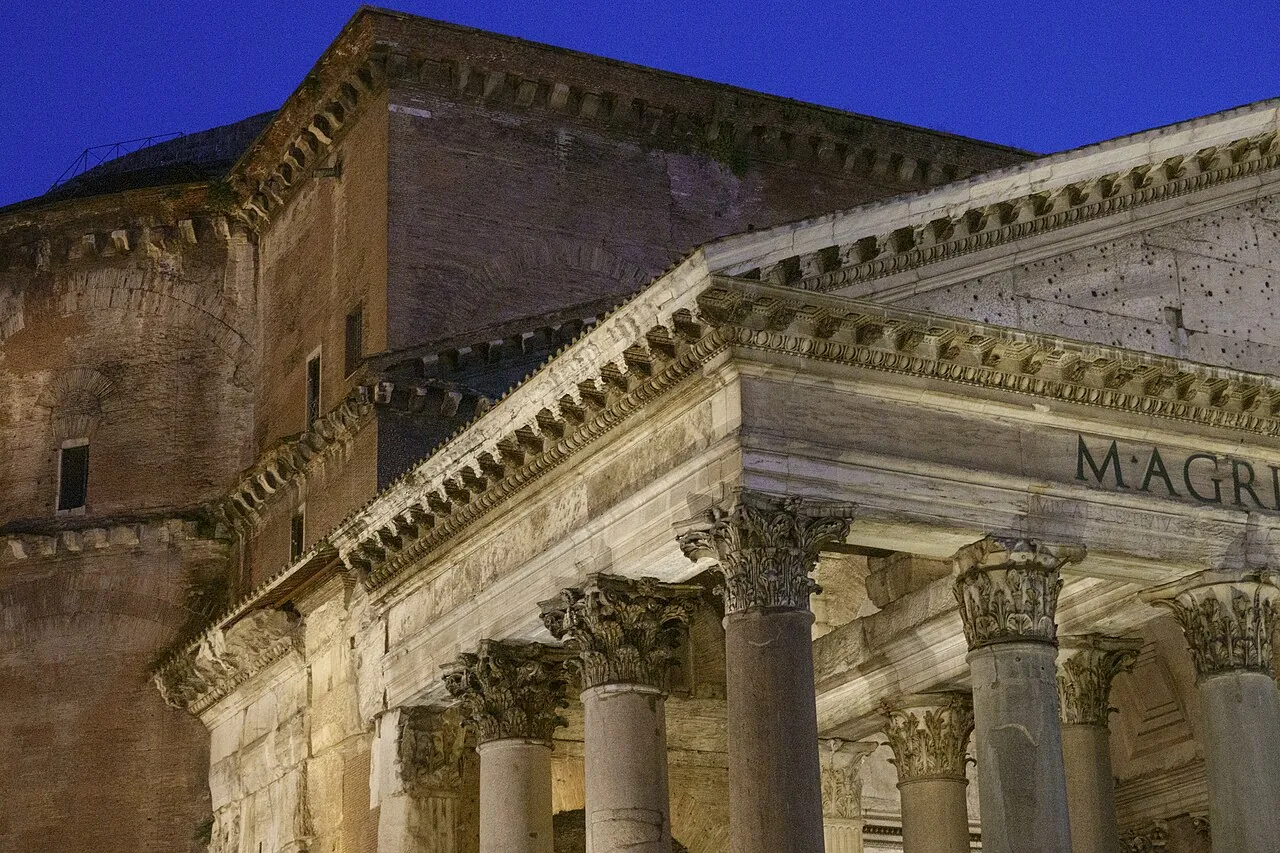
Roma — Tre strati di tempo
Come leggere una città dove ogni edificio è costruito sopra, dentro o accanto a qualcosa di precedente — e cosa significa per chi arriva con gli occhi giusti.
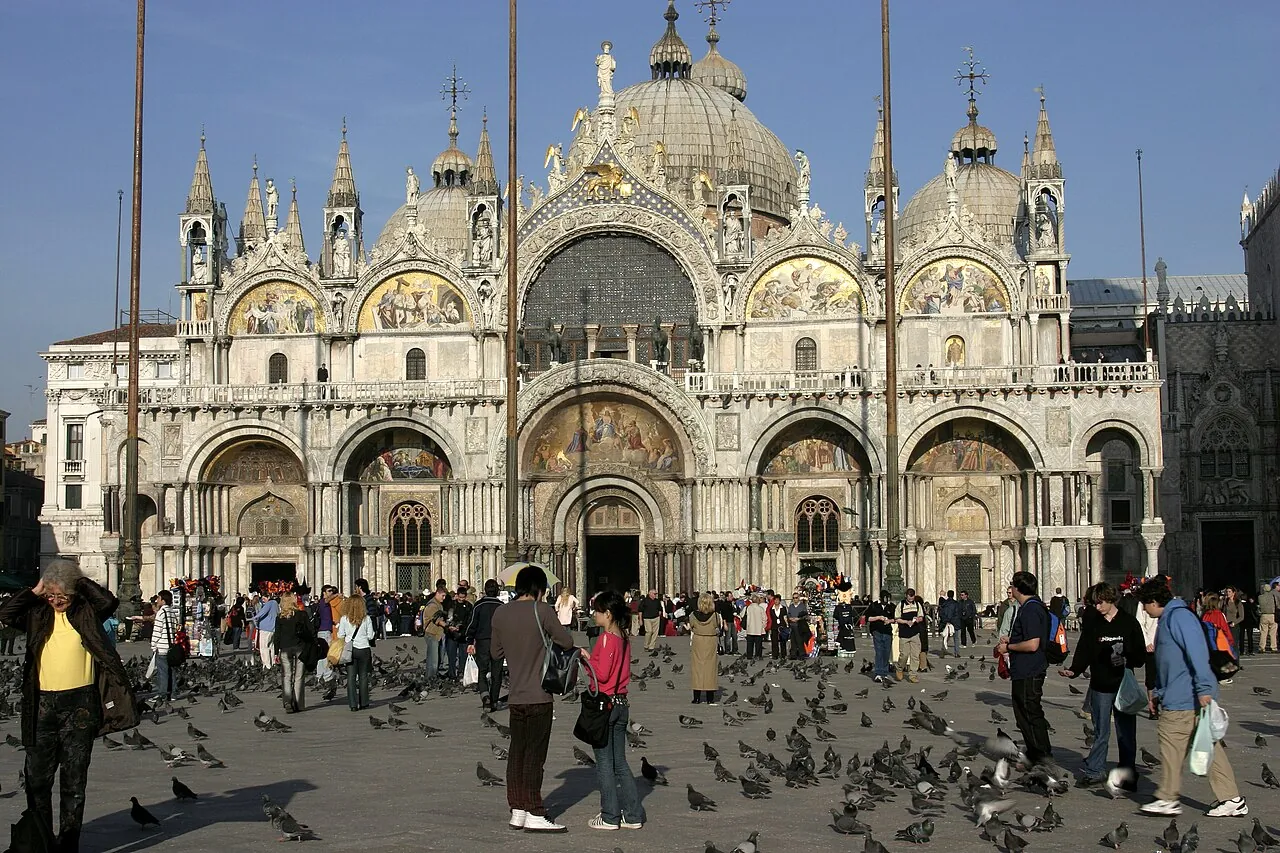
Venezia — L'architettura sull'acqua
Un esperimento strutturale durato mille anni: come si costruisce una città su palafitte, archi e pietra d'Istria, e perché ancora regge.
Frequently asked questions
How many days do you need for an architectural itinerary in Rome?
It depends on how deep you want to go, but to grasp the layering — ancient, Renaissance, Baroque, modern — which is Rome's real theme, plan on at least 3-4 full days on foot: in Rome, almost every major building is built over, inside, or next to something earlier, and understanding that takes time on the ground, not just a list of monuments.
Why has Venice managed to stand on wooden piles for a thousand years?
The foundations of Venetian buildings rest on wooden piles (mostly elm and larch) driven into the lagoon mud, which survive because they stay permanently submerged and oxygen-free — a condition that prevents bacterial decay. Above the piles, Istrian stone plinths, resistant to salt, carry the brick masonry above. An experimental structural system that, a thousand years later, still holds.
What should you look for in Rome beyond the most famous monuments to understand the city's architecture?
The point isn't adding more monuments to the list, but changing how you look at them: almost every major building in Rome hides an earlier layer beneath, inside, or beside it — a Baroque church over a Roman temple, a Renaissance palace reusing ancient columns. Reading this layering is the key to understanding the city, more than ticking off stops.
What is Istrian stone and why is it everywhere in Venice?
A compact, low-porosity limestone, historically quarried on the Istrian peninsula, used in Venice for the foundations in contact with water and salt — where brick would crumble quickly. Its resistance to salinity is one of the technical, not just aesthetic, reasons the city managed to build in a lagoon environment hostile to ordinary construction materials.